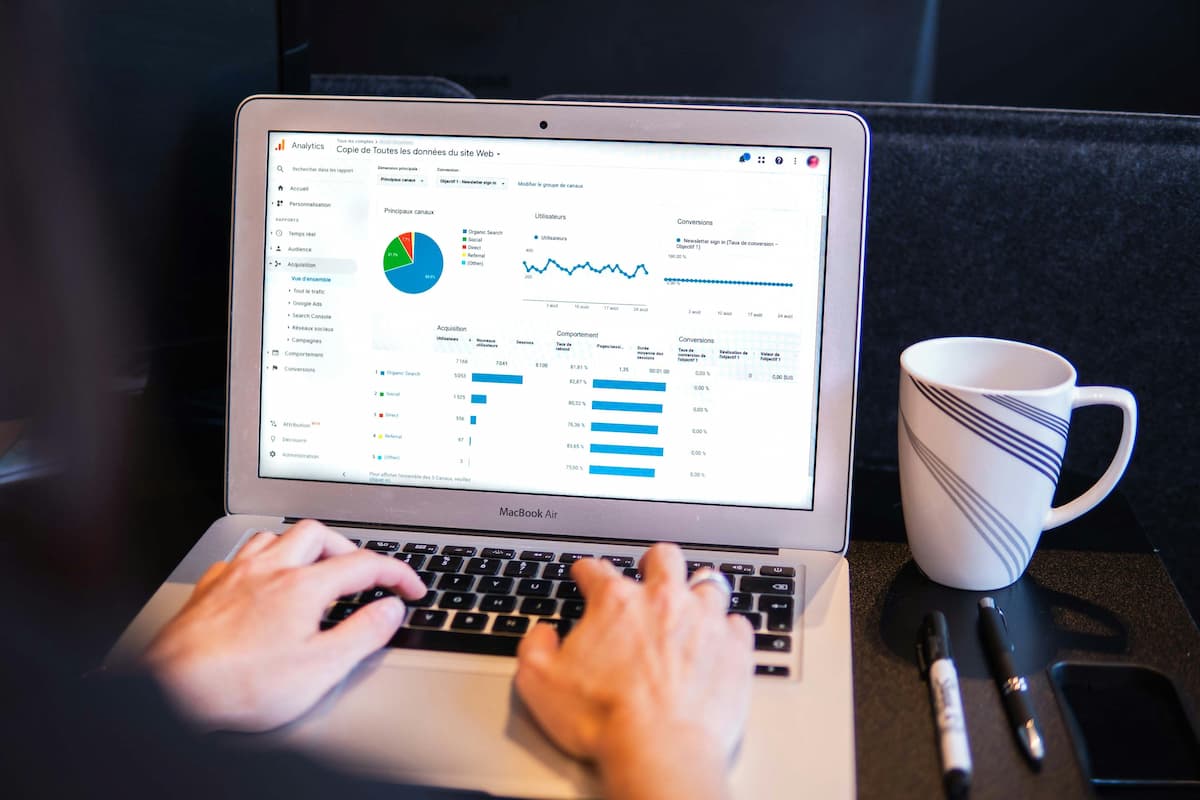
You can use Google Analytics to monitor traffic drops and check for changes in keyword rankings in Google Search Console. Also, check for decreases in impressions and clicks on the pages you’ve been actively monitoring. If the drop coincides with the timing of the update, it's likely that your site has been affected.


How to Recover Your Website After a Google Update?

Nina
18 February, 2026
·
read in 11 minutes
Table of contents
Google updates are an inevitable part of the dynamics of online search. Every time the search engine updates its algorithm, your website may be affected, leading to changes in rankings and traffic. For many websites, these changes can be critical, especially if they are not prepared or adapted to the new requirements. Recovery after an update is a process that requires quick response and strategic adaptation to the new conditions.
The purpose of this article is to provide you with specific steps and strategies to help restore your rankings in Google search results, analyze the causes of the drop, and adapt to the changes in the algorithms.
What is a Google Update and How Does It Affect Your Website?
Explanation of Google Algorithm Updates
Google regularly changes its algorithms to improve the accuracy of search results and to ensure a better user experience. Each new update can lead to significant changes in how websites are ranked in the search engine. Some sites may see progress in their rankings, while others may experience a drop if they don’t meet the new criteria set by the search engine.
Difference Between Algorithmic Updates and Manual Penalties
- Algorithmic Updates: These are applied automatically and usually relate to how various factors like content, links, and technical optimization are evaluated.
- Manual Penalties: These are imposed by Google's team if a site fails to meet their guidelines (e.g., spam, black-hat SEO practices, etc.).
When and Why Does Google Release Updates?
Google regularly releases updates to improve the accuracy of its results and to adapt to new trends on the internet. These updates are typically focused on various aspects, such as content quality, links, technical SEO, and user experience.
How Updates Affect Visibility in SERP
After a Google update, websites can experience a significant shift in their rankings. This shift can be either positive or negative, depending on how well the website is aligned with the new algorithms.
Major Reasons for a Drop in Rankings After an Update
Algorithmic Changes
Google frequently updates how it evaluates content quality, links, and technical SEO optimization. For example, if your site has weak content or unnatural links, it may suffer from the new algorithmic changes.
Manual Actions
If a site violates Google’s guidelines (such as using spam or manipulating links), it may be manually penalized, resulting in a drop in rankings.
Poor Quality Content
Google increasingly values high-quality content that meets the needs of users. The content should be unique, informative, and up-to-date.
Bad Links
Bad links (unnatural inbound and outbound links) can lead to penalties from Google, negatively affecting rankings.
Technical SEO Issues
Technical problems such as indexing issues, slow page load times, and lack of mobile optimization can lead to a drop in rankings.
How to Recognize the Impact of the Update on Your Website?
Traffic Analysis via Google Analytics
Use Google Analytics to identify traffic drops and determine when they occurred.
How to Recognize Traffic Drops
Traffic can drop significantly after an update. If you notice a large decrease in visitors, this may indicate that your site has been affected.
Using Google Search Console
Google Search Console will help you discover indexing issues, missing pages, and new rankings of keywords.
Checking for Changes in Keyword Rankings
Use external tools like Ahrefs or SEMrush to check how keyword rankings have changed and assess the effect of the update.
If you notice a traffic drop after a Google update, start by analyzing the pages with the biggest ranking drop through Google Analytics and Search Console. Update the content on those pages by adding more value, examples, or new information. This will help Google perceive the pages as more current and useful, which can lead to recovery of your rankings.
Lifehack for Recovery After a Google Update:
If you notice a traffic drop after a Google update, start by analyzing the pages with the biggest ranking drop through Google Analytics and Search Console. Update the content on those pages by adding more value, examples, or new information. This will help Google perceive the pages as more current and useful, which can lead to recovery of your rankings.
Steps for Recovery After a Google Update
Step 1: Evaluate Content Quality
- Improve content for a better user experience
- Add new content that addresses users' needs
- Remove weak and duplicate content
Step 2: Analyze Links
- Remove harmful links
- Build high-quality link strategies
Step 3: Improve User Experience
- Focus on mobile optimization
- Improve page load speed
Step 4: Technical SEO Check
- Check for indexing errors
- Optimize internal linking and site structure
Steps for Recovery and Priorities
|
Step |
Description |
Priority |
|
Evaluate Content Quality |
Update old content, add new content |
High |
|
Link Analysis |
Remove harmful links, build new quality ones |
Medium |
|
Technical Optimization |
Improve speed, security, and indexing |
High |
|
Enhance User Experience |
Improve navigation and site interactions |
Medium |
Best Practices for Adapting to the New Algorithm
- Focus on Content Quality
Create content that meets user needs and is unique and up-to-date. - Enhance User Experience
Improve mobile optimization and ensure easy navigation and fast page load times. - Links – An Old but Golden Strategy
Build a strong link-building strategy with quality links from authoritative sources. - Monitor Results and Adapt Your Strategies
Use tools like Google Analytics and Search Console to monitor results and adjust your strategy accordingly.
What New Features Did the Latest Update Bring?
- New trends in Google’s algorithm focus on content quality and user experience.
- How to prepare for future updates: ensure your site is always up to date and in line with Google’s guidelines.
What to Expect from Future Google Updates?
- Predicting future trends in Google’s algorithms, including an increased focus on mobile optimization and user experience.
- How to prepare for future changes: regularly update content and optimize your site according to Google’s new requirements.
Recovering your website after a Google update is an essential process that involves improving content, building quality links, optimizing technically, and enhancing user experience. By following the steps and best practices outlined, you can restore your rankings and adapt to Google’s new requirements. Start with the basic steps and be ready to adapt to future changes.
Share


FAQ:
How to Tell if Your Website Has Been Affected by a Google Update?

How Do I Deal with a Manual Penalty from Google?
The first step is to check Google Search Console for any manual penalties. Then, analyze the cause—whether it's spam, link manipulation, or other violations—and make the necessary corrections. After fixing the issue, you can submit a request for review and removal of the penalty.
What Should I Do to Recover Traffic After a Google Update?
Start by updating your site's content to make it more useful and relevant to users. Additionally, build new high-quality links and fix any technical issues by improving site speed and mobile optimization. Once you make these changes, monitor the results and adapt your strategy accordingly.
How Long Does It Take to Recover a Website After a Google Update?
Recovery can take anywhere from a few weeks to a few months, depending on the complexity of the changes that need to be made. Once you make the corrections, it's important to monitor the results and adjust your strategy as needed. With continuous effort and adjustments, recovery can be effective.
About the author
Nina is an SEO Expert in Technical, Links & Content with 10+ years of experience. Her focus is on technical audits, link building, and content strategies. She combines structured planning, high-quality backlinks, and intent-driven content to improve visibility and qualified traffic, including for international projects.
Related articles
How to Prepare Your Online Store for Sales Through ChatGPT and Google AI
The way people search for products online is changing. Instead of browsing multiple websites and product pages, users increasingly describe what they are looking for directly to ChatGPT, Gemini, and other AI systems.
For online stores, this creates a new requirement. Product information needs to be clear not only to visitors and search engines, but also to AI systems that find, ...

Teo
Aug 17
·
14 minute reading
GEO Optimization, AEO, and AI SEO: What’s the Difference, and Why Are They Important for Businesses in 2026?
The way people search for information is no longer limited to a list of ten Google results. More users now ask complete questions and expect a ready answer, comparison, recommendation, or specific steps. Such an answer might appear in Google AI Overviews, ChatGPT, Gemini, Perplexity, or another artificial intelligence system.
For businesses, this shift is significant. Your website now ...

Niki
Aug 2
·
14 minute reading
Google Search Console Now Monitors Social Media
The digital world has witnessed one of the most significant and unexpected changes to web analytics tools in recent years. Google has officially launched a major new feature in Google Search Console, introducing the so-called Platform Properties. With this update, the platform now allows direct tracking and analysis of the performance of Your social media ...
Nina
Jul 13
·
7 minute reading