The main goal of a landing page is to trigger a conversion – whether it’s filling out a form, purchasing a product, subscribing to a newsletter, or another desired action. It should focus on providing valuable information and a clear message that motivates visitors to take a specific action.


Table of contents
Landing pages in 2026 are no longer static web pages that simply offer one product or service. They have evolved into dynamic, adaptive, and highly targeted pages that need to meet the growing demands of users and new technologies. In recent years, online consumers have become more demanding – they want personalized experiences, fast access, and flawless design. In 2026, a successful landing page must be designed not only with technical requirements in mind but also with a focus on user needs.
What is the key to creating the best landing page in 2026? It’s not just a matter of design or content but a strategic approach that combines innovation, visual artistry, personalization, and SEO optimization. In this article, we will explore what makes a landing page successful in 2026 and how to follow best practices to create a page that not only looks great but also converts visitors into customers.

What is a Landing Page and Why is it Important in 2026?
Defining the Landing Page: Purpose and Impact
A landing page is a targeted web page created with one primary goal: to generate conversions. This could involve filling out a form, purchasing a product, subscribing to a newsletter, or even downloading a file. Landing pages are a fundamental element of digital marketing and play a crucial role in the successful completion of marketing campaigns.
In 2026, landing pages must be much more than just sales platforms. They need to be carefully crafted experiences that guide users through a logical flow, engage them, and offer value from the very first second.
Importance for Businesses
Landing pages are not only vital channels for driving traffic but also key elements in lead generation and sales strategies. Having a well-structured landing page that provides clear value and a solution to consumer needs can lead to significant conversions and enhance the overall marketing strategy of the company.
The Role of Landing Pages in 2026
In 2026, a landing page is no longer just for sales. It must provide a personalized experience, effectively communicate the benefits of products and services, and integrate new trends such as voice search, AI personalization, and micro-animations. Users expect an experience that meets their needs and is easy to navigate across all devices.
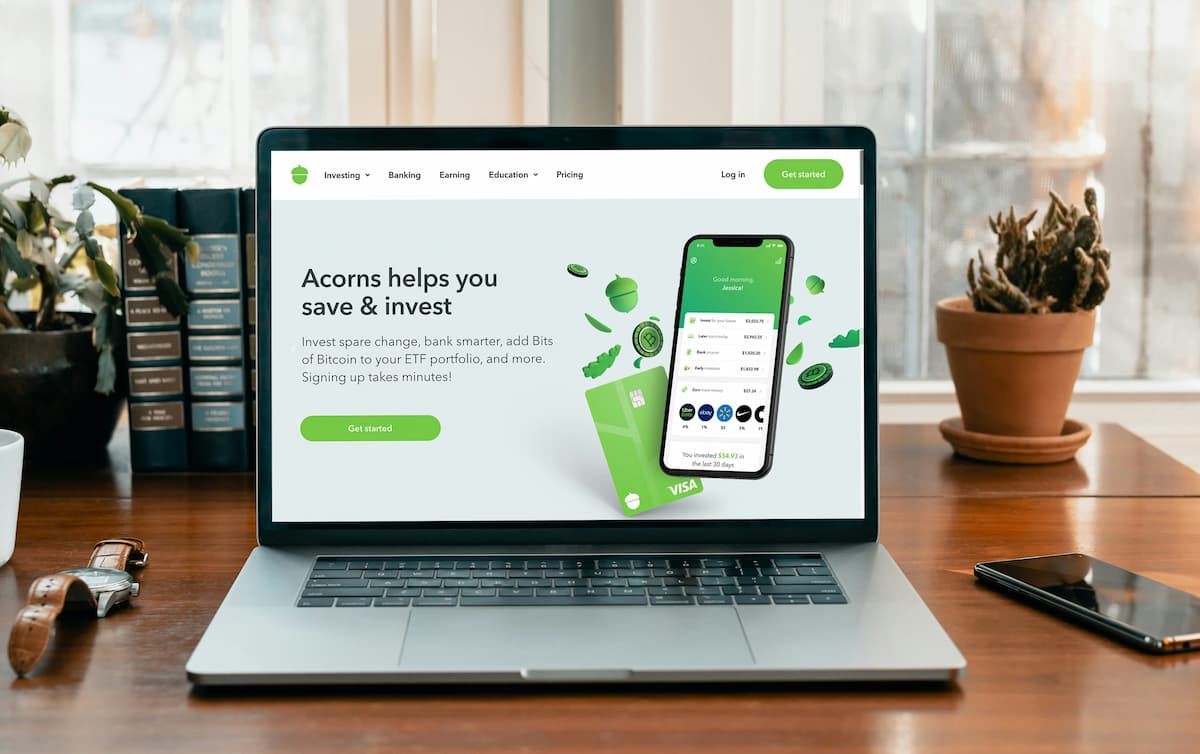
Key Elements of a Successful Landing Page in 2026
Structure of the Landing Page
To create a successful landing page in 2026, you need to start with a strong structure. The landing page should have a clear and logical flow that guides users through the different stages of interaction without distracting them.
- Headline and Subheadline: The headline must be concise, clear, and attention-grabbing. It should reflect the main value you offer. The subheadline adds context and supports the message.
- Images and Videos: Visual elements should reinforce the message of the page. Use high-quality images or videos that showcase your products or services in action while also evoking an emotional response.
- Call to Action (CTA): CTAs should be visible and easy to click. They must provide a clear indication to users about what the next step is. For example: "Sign up now," "Learn more," "Buy now." Place the CTA strategically on the page for maximum impact.
Design and User Experience
In 2026, the successful design of a landing page needs to be not only beautiful but also functional and effective in attracting and retaining visitors' attention.
- Simplicity in Design: A clean, minimalist approach to design will be key. Users should easily find the information they are looking for without being distracted by unnecessary elements.
- Interactive Elements: Adding interactive features such as animations and dynamic content changes can increase visitor engagement.
- Mobile Optimization: In 2026, mobile optimization will be even more important as mobile traffic continues to dominate. Ensure the landing page is easy to navigate and loads quickly on all devices.
SEO Best Practices
- Optimizing Keywords and Metadata: Use relevant keywords in titles, meta descriptions, and within the content of the landing page to improve search rankings.
- Technical SEO Optimization: Ensure the page is technically optimized with fast loading speeds, correct URL structure, and easy indexing capabilities.
Lifehack for Creating a Successful Landing Page in 2026:
Add floating calls to action (CTA) that follow the user as they scroll. This ensures that visitors always have easy access to the CTA without having to scroll back up the page. This increases conversion chances by making the action process more convenient and faster.
How to Structure Your Landing Page for Maximum Conversion?
Logical Flow of Information
When designing your landing page, you need to organize the content in such a way that it guides users through a clear and logical process, starting from the headline and ending with the call to action. Create a flow that is easy to follow and does not distract the user.
Placement of Calls to Action (CTA)
The placement of CTAs is critical to the success of the landing page. They should be positioned in areas where users cannot miss them, but they should not be intrusive.
What’s New in the Latest Google Update for Landing Pages?
Changes in Google’s Algorithms in 2026
Google continues to change its algorithms, with increasing emphasis on user experience and content quality. This means that landing pages must provide high-quality content that is useful to the user, while also offering an exceptional user experience.
Preparing for Future Updates
To stay competitive in 2026, you must be prepared for future Google updates. Regularly update your content, optimize loading speeds, and ensure that your landing page is adapted to new requirements.
Creating an effective landing page in 2026 requires a strategic approach that combines best practices in design, content, and SEO optimization. Applying minimalism, mobile optimization, and personalized elements can significantly increase conversions on your page. By following these steps and continuously adapting your strategy to new trends, you will be on your way to creating a landing page that attracts and converts visitors in 2026.
Share


FAQ:
What is the main goal of a landing page?

Why is the one-page design so popular for landing pages?
The one-page design is popular because it offers easy navigation, with all the necessary context contained on a single screen. It is effective for a concise and focused message that guides visitors through the steps of the process without distracting them with extra clicks or new pages.
How can I ensure that my page is connected with the right people?
To ensure that your page reaches the right people, you need to conduct thorough research on your target audience and tailor the content and design to their needs and interests. Using the right keywords, social proof, and appropriate calls to action will help attract the right visitors.
How do testimonials and reviews help my landing page?
Testimonials and reviews from real users add social proof and help build trust and confidence with visitors. They show that others have had a positive experience with the product or service and can alleviate concerns from potential customers.
How has the design of landing pages changed in 2026?
In 2026, landing pages focus on minimalism, interactivity, and personalization. The design is simpler, with fewer distracting elements, but it includes animations and dynamic interactions that make the pages more engaging. Mobile optimization and fast loading times are also becoming even more important.
What is the most important part of the text on my page?
The most important part of the text on your landing page is the headline. It should grab the visitor’s attention and convey the main message clearly. The subheadline and call-to-action (CTA) are also key, as they guide visitors on what to do after they understand the main offer.
Where should I place the main button that I want people to click?
The main button (CTA) should be placed in visible and easily accessible locations – ideally at the top of the page and again at the bottom, after the visitor has read the main information. You can also use a floating CTA that follows visitors as they scroll.
What key things should I track to see if my page is successful?
Key metrics to track the success of your landing page include: Conversions: How many visitors take the desired action (e.g., filling out a form, making a purchase). Engagement metrics: How much time visitors spend on the page and what actions they take. Page load speed: How quickly the page loads, as slow loading times can lead to visitors leaving. Bounce rate: The percentage of visitors who leave the page without completing the desired action.
About the author

Kris is a WordPress Expert with over 5 years of experience who solves complex tasks - from custom themes and plugins to integrations with external systems. He is known for rapid debugging, resilient code, and best practices for maintainability and performance.
Related articles
Why Responsive Design Is a Must for Your Website in 2026
An increasing share of website visits comes from smartphones, while users continue to browse through laptops, desktop computers and tablets. A website should maintain good readability, clear navigation and convenient interactions at every screen width. In 2026, responsive design forms part of the foundation of good user experience, technical SEO and effective online business presentation. A ...
Kris
Jul 26
·
17 minute reading
SSL certificate - all advantages and disadvantages
An SSL certificate is now a standard for every website, not an optional extra. It provides a secure connection between the user’s browser and the server where the website is hosted. When a website uses HTTPS, data is transferred in a more secure way and the browser does not show a warning that the connection is not secure.
The topic, however, is not limited to “having a padlock in ...
Kris
May 28
·
17 minute reading
How can you tell if your website needs a redesign?
How to tell whether your website needs a redesign
A website is often the first place where a client meets your business. If the website looks outdated, loads slowly, or does not guide the user toward a clear action, the problem is not only visual. This affects trust, inquiries, sales, and SEO results.
A redesign does not mean only a new visual appearance. ...
Kris
May 21
·
16 minute reading