Custom software development
Platforms, portals and internal systems on Laravel
We build web applications, internal systems and platforms on Laravel when off-the-shelf software does not fit your processes. One team takes the project from analysis to support, and the finished system stays yours, code included.


























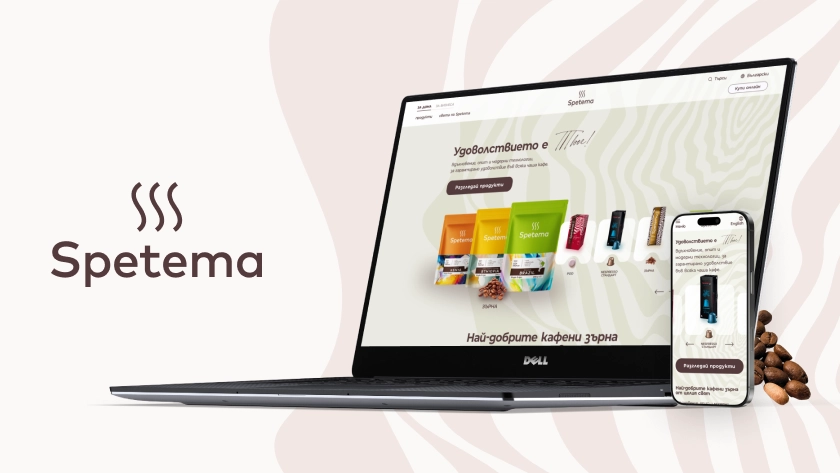
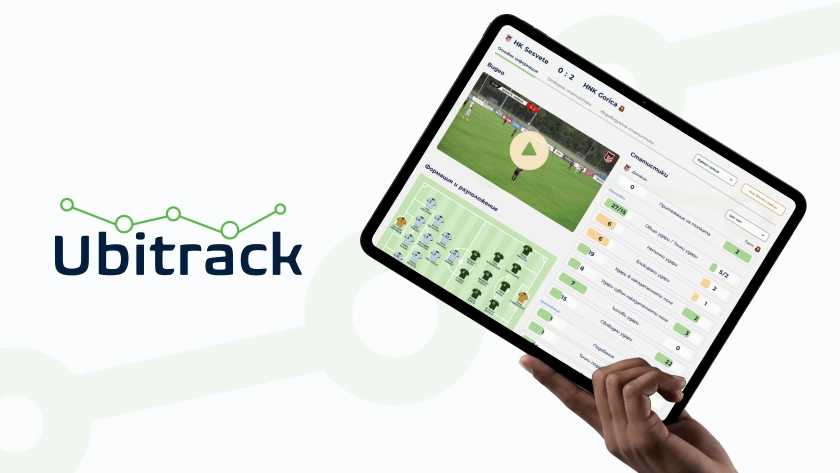
Selected web applications and software


Custom software at a glance
What you get
Custom software development at Studio Kipo covers process analysis, specification, UX/UI design and prototype, development, integrations, testing, rollout and training. The back end runs on PHP and Laravel, the front end on Angular, React or Tailwind CSS.
- Proposal: based on analysis. The price depends on the number of modules and user roles, integrations, security and load requirements.
- Timeline: usually 2 months or more. Larger systems are built in phases, with the first working version released earlier.
- Included: admin panel, roles and permissions, API, integrations with external systems, responsive interface, backups and code documentation.
- Ownership: you receive the source code, the database and the software rights. No per-user fees.
- Warranty: 6 months after launch, then optional support and further development.
- Team: business analysis and project management, UX/UI designer, back-end and front-end developers and QA.
What we build
The systems we are asked for most often. If yours is not listed, tell us about it.
Internal systems, CRM and ERP
Replace spreadsheets and manual work with one system for clients and orders.
Client portals and B2B platforms
Access for clients and partners to orders, documents, prices and statuses.
Booking systems
Online booking of appointments, services and resources with calendar, payments and notifications.
SaaS platforms and MVP
A first version of your product to test with real users and grow in phases.
Integrations and API
Connections between ERP, online store, CRM, payment and courier systems.
PWA and mobile access
A web app that installs on the phone and works like a mobile app.
When custom software makes sense
Off-the-shelf software does not fit
Custom software makes sense when your team loses time on manual work or ready-made tools force you to change how you work.
First we analyze your processes. Sometimes the best answer is an integration between existing systems, and then we tell you so.


You own the code, no per-user fees
With off-the-shelf software you pay monthly for every user and depend on the vendor's roadmap. With custom software the system is yours - code, database and rights included.
We document the code and follow the standard Laravel architecture, so another team is able to continue the work if you decide so.


How we build web applications
Analysis and specification
We describe processes, user roles, data and integrations in a specification you approve. It is the basis for the proposal and the phased plan.
You know what you get and at what price, and changes during the project are estimated separately and transparently.
UX/UI design and prototype
Before development we build a clickable prototype in Figma. You test it with your team and see how the system works before any code is written.
The interface is organized around users' daily tasks, so people work fast with little training. Learn more about our UX/UI design.


Laravel back end
We build the back end in PHP and Laravel and use Kipo Engine, our own content management system, where content is involved. Laravel is a stable, widely used framework with a long lifespan and a large developer community.
Security is part of the architecture, with roles and permissions and backups.
Front end and PWA
The interface uses Angular, React or Tailwind CSS depending on project complexity. It runs in the browser on desktop, tablet and phone with no installation.
When users need an app on their phone, we turn the web app into a PWA - it installs from the browser, runs full screen and sends notifications. For App Store and Google Play apps see mobile app development.


Integrations and API
We connect the system with ERP, CRM, online stores, accounting software, payment and courier services through APIs. If the application needs to share data with other systems, we build its own API.
Data is entered once and syncs automatically between systems.

How the development process works
-
01
Discovery
We talk to the people who will use the system and map processes, data and integrations.
-
02
Specification and proposal
You receive a specification, a phased plan and a timeline and price for each phase.
-
03
Prototype and design
We build a clickable prototype and interface design for your approval before development.
-
04
Phased development
We develop module by module and show each finished module on a staging environment.
-
05
Testing and rollout
We test, migrate data from old systems and train your team.
-
06
Launch and warranty
We put the system into production with monitoring and backups, and the warranty runs for 6 months from launch.
What our clients say
You get to what you need quickly and easily

We speak the same language and look in the same direction

It is very easy to communicate with them

Studio Kipo has people with an established reputation as SEO specialists

Pricing, support and your development team
How much does custom software cost?
The cost of custom software depends on the number of modules and user roles, logic complexity, integrations with external systems and security and load requirements.
To avoid surprises we prepare an analysis and a specification before the proposal. The proposal is split into phases, and the first working version covers the key features and grows from there.

Support and further development
After launch we handle Laravel and library updates, monitoring, backups and issue fixing. We grow the system with new modules as your business needs change.
Support is monthly or on request. Learn more about our support.

A software team in Bulgaria for clients abroad
Studio Kipo is a software company based in Sofia, Bulgaria, with almost 20 years of experience. Outsourcing custom software development to our team gives you one partner for analysis, design, development and support.
We work in English within the EU time zone, with online meetings and clear weekly progress on a staging environment.

Related services
Services around your software: mobile app, UX/UI, support and AI search.
Mobile app
iOS and Android apps built with Ionic and Angular.
UX/UI design
A prototype and interface users understand from day one.
Support
Updates, monitoring and further development after launch.
Website development
Business websites on WordPress or Laravel.
Redesign
A new interface and technology for outdated systems.
AI search optimization
Visibility for your product in AI search answers.
Custom software FAQ
The price depends on the number of modules and user roles, logic complexity, integrations and security requirements. First we do the analysis and specification, then you receive a phased proposal.
Usually 2 months or more. Larger systems are built in phases, with the first working version released earlier and developed further.
A website presents information, a web application performs tasks - orders, data, documents or bookings, with users, roles and permissions. A web application runs in the browser with no installation.
Custom software follows your processes, has no per-user fees and the system stays yours. Off-the-shelf tools are faster to start with but often force you to change how you work.
The back end runs on PHP and Laravel, the front end on Angular, React or Tailwind CSS, and mobile apps on Ionic and Angular. Design and prototypes are made in Figma.
After payment the code, database and software rights are fully yours. We document the code so another team is able to continue the work.
Yes. We connect systems through APIs with ERP, CRM and online stores. If the app needs to share data, we build its own API.
Yes, after a technical code review. We then recommend whether to improve the current system or rebuild it in phases.
Yes. We start with the key features so you test the product with real users, then grow it in phases based on the results.
We work in phases and show each finished module on a staging environment. Your project manager is your main contact.
The system has a 6-month warranty after launch. After this we handle support and further development monthly or on request.
Briefly describe the process you want to automate, who will use the system and which other systems it needs to connect to. Examples of spreadsheets or software you use now help.
Latest from the blog
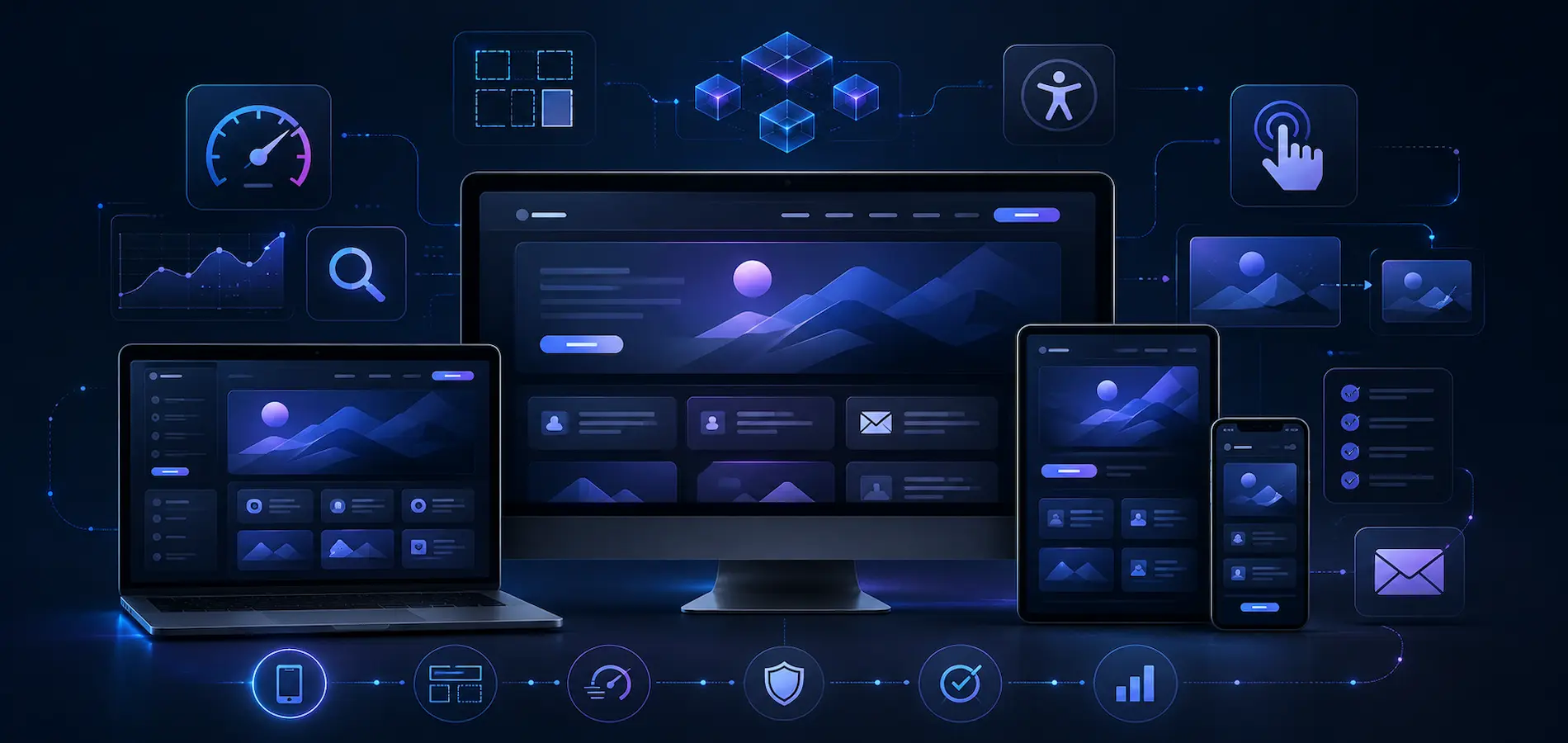
Why Responsive Design Is a Must for Your Website in 2026
An increasing share of website visits comes from smartphones, while users continue to browse through laptops, desktop computers and tablets.
 Kris
SSL certificate - all advantages and disadvantages
An SSL certificate is now a standard for every website, not an optional extra.
Kris
How can you tell if your website needs a redesign?
How to tell whether your website needs a redesign A website is often the first place where a client meets your business.
Kris
How to Choose a Domain Name and Web Hosting for a New Website
Choosing a domain and hosting is one of the first important steps in creating a new website.
Kris
Why do so many businesses choose a WordPress website?
Choosing a website platform isn’t just a technical decision.
 Desi